Understanding Your Investment Health
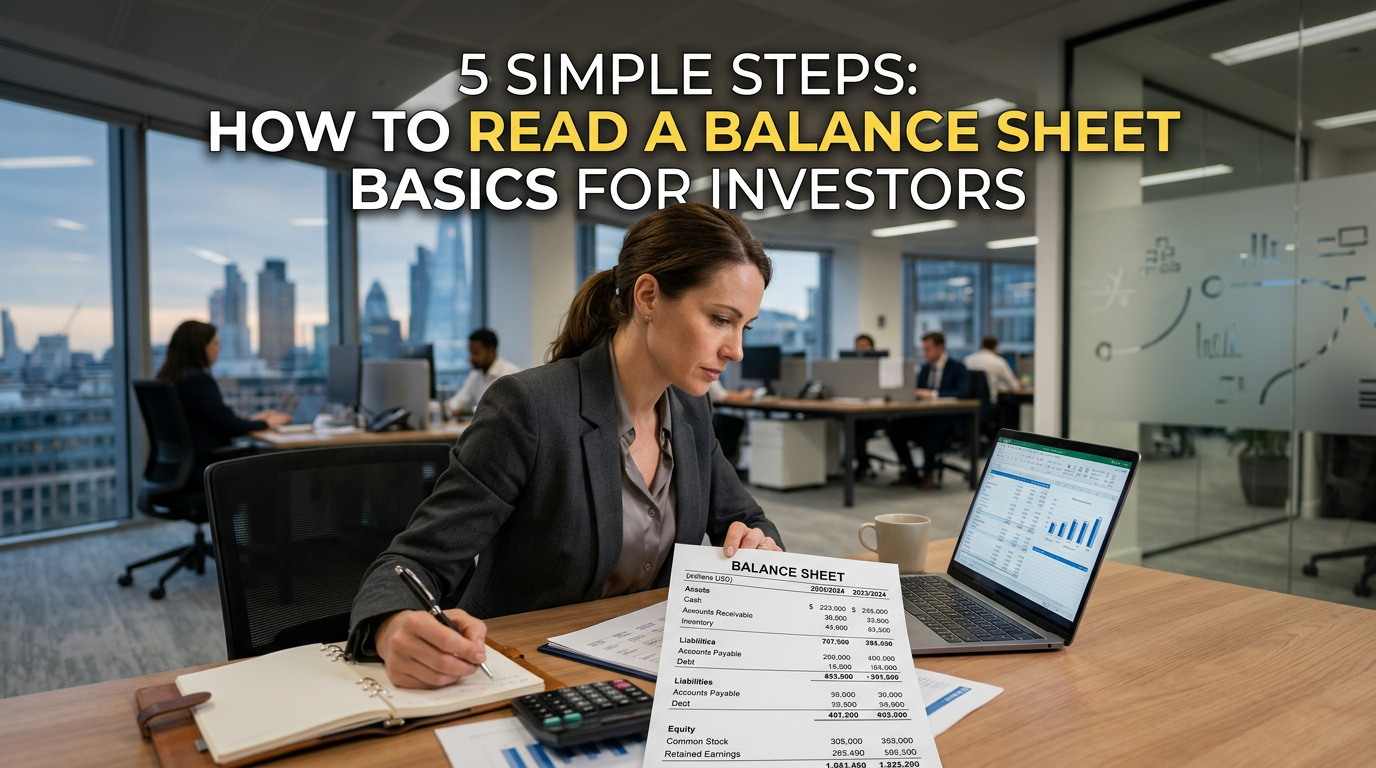
Think of a company as a human body. When you decide to invest your hard-earned ₹10,000 or ₹1,00,000, you aren’t just buying shares; you are adopting a business. To know if that business is fit or heading for a heart attack, you need to look at its medical report: the Balance Sheet.
Learning how to read a balance sheet basics is the most critical skill for any Indian investor. It tells you exactly what the company owns, what it owes, and what is left for the shareholders.
The Anatomy of a Balance Sheet
A balance sheet is a snapshot of a company’s financial position at a specific point in time. It follows a simple equation: Assets = Liabilities + Shareholders’ Equity. If you want to master how to read a balance sheet basics, you must view these components as the physical markers of a company’s health.
1. Assets: The Company’s Muscles
Assets are the resources a company uses to generate revenue. In our medical analogy, these are the muscles. Strong, well-maintained muscles allow the company to perform heavy lifting. Assets include cash, inventory, machinery, and land. A company with high-quality assets is like an athlete—prepared to perform at a high level. Always check the SEBI guidelines for corporate disclosures to ensure these assets are valued fairly.
2. Liabilities: The Company’s Fat
Liabilities are what the company owes to others. Think of these as body fat. A little bit of fat is normal and even necessary for energy, but too much fat puts a strain on the heart. High liabilities mean the company has significant debt, which requires interest payments. If you are learning how to read a balance sheet basics, look for companies where the debt-to-equity ratio is manageable.
3. Shareholders’ Equity: The True Vitality
Equity is what remains for the owners after all debts are paid. This is the company’s true vitality or its “core strength.” If the assets (muscles) are greater than the liabilities (fat), the equity is positive. This is the portion of the company that truly belongs to you, the shareholder. A growing equity base over time is a sign of a healthy, compounding business.
4. Current Assets: The Immediate Energy
Current assets are resources that can be converted into cash within a year. These are like the glucose in the bloodstream—ready to be used immediately. This includes cash in the bank, accounts receivable, and short-term inventory. When analyzing how to read a balance sheet basics, ensure the company has enough current assets to cover its short-term obligations.
5. Current Liabilities: The Immediate Demands
These are the bills the company must pay within the next 12 months. Think of these as the body’s immediate metabolic demands. If a company has more current liabilities than current assets, it might face a “liquidity crunch,” similar to a person running out of energy mid-marathon. Always compare these two figures to gauge short-term survival.
Why You Must Master This Skill
Many beginners ignore the balance sheet, focusing only on the Profit & Loss statement. However, a company can show profit on paper while being technically insolvent. By understanding how to read a balance sheet basics, you protect your capital from companies that are “all show and no substance.”
| Component | Medical Analogy | What to Look For |
|---|---|---|
| Assets | Muscles | Growth and Efficiency |
| Liabilities | Fat | Low Debt Levels |
| Equity | Core Strength | Consistent Increase |
Common Red Flags to Watch For
When you practice how to read a balance sheet basics, watch out for “bloated” assets. Sometimes a company might list old, broken machinery as a valuable asset. This is like a person claiming they have muscles, but they are actually just swollen. Check the “Notes to Accounts” in the annual report to see if the company is writing off old assets properly.
Applying Your Knowledge
Now that you know how to read a balance sheet basics, you can start analyzing companies on your own. Use our stock analysis tool to pull up the latest reports of your favorite Indian companies. Remember, a healthy balance sheet is the foundation of long-term wealth creation. Don’t just look at the share price; look at the medical report.
Final Thoughts on Financial Fitness
Mastering how to read a balance sheet basics is not about being an accountant; it is about being a smart investor. By treating assets as muscles and liabilities as fat, you gain a clear, intuitive way to judge a company’s health. Keep practicing, and you will soon spot a “fit” company from a mile away.
The Importance of Consistency
Finally, remember that how to read a balance sheet basics is a continuous process. Check the balance sheet every quarter. A company that is fit today might gain “fat” tomorrow. Stay vigilant, stay invested, and keep your portfolio healthy.