
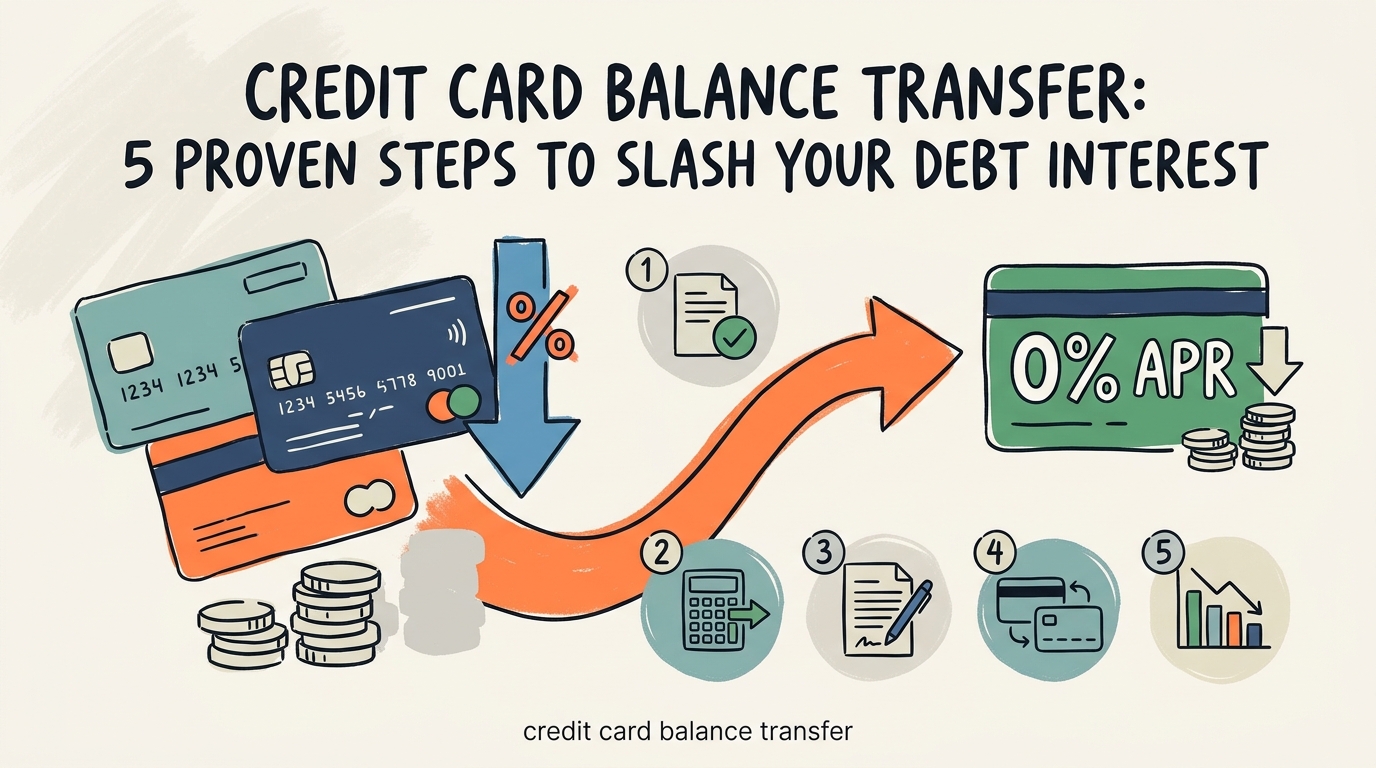
Managing high-interest debt can feel like running on a treadmill that only gets faster. If you are currently paying exorbitant interest rates, often hovering around 40% on some unsecured cards, you are likely barely touching the principal amount. A credit card balance transfer is a strategic financial move designed to stop this cycle by shifting your debt to a card with a significantly lower interest rate.
By moving your debt to a 15% interest card, you immediately reduce the cost of borrowing. This gives you the breathing room necessary to pay off your debt faster. Effective money management is about using these tools to your advantage rather than letting interest charges dictate your financial future.
Understanding the Mechanics of Debt Migration
When you initiate a credit card balance transfer, you are essentially taking out a new loan to pay off an existing one. The goal is to secure a lower Annual Percentage Rate (APR). This process is not just about moving numbers; it is about changing the math of your repayment.
If you have a balance of ₹2,00,000 at a 40% interest rate, your monthly interest alone is staggering. By moving that balance to a card charging 15%, you save thousands of rupees in interest annually. This is a proven method to regain control of your finances.
1. Assess Your Total Debt and Interest Rates
Before applying for a credit card balance transfer, you must know exactly where you stand. List every credit card you own, the total outstanding balance, and the specific interest rate for each.
Many users ignore the fine print, but understanding your current interest burden is the first step toward relief. If your current rate is near 40%, you are losing money every single day. Knowing these numbers helps you determine if a credit card balance transfer will actually save you money after accounting for processing fees.
2. Research Low-Interest Transfer Offers
Not all cards are created equal. You need to hunt for a card that offers a low introductory interest rate or a promotional period. Always check the official guidelines provided by the Reserve Bank of India regarding credit card regulations to ensure you are dealing with legitimate financial institutions.
Look for cards that offer a 15% interest rate or lower. While these offers often come with a balance transfer fee (usually 1% to 3% of the total amount), the long-term savings far outweigh this upfront cost. A credit card balance transfer is only effective if the new interest rate is substantially lower than your current one.
3. Apply and Initiate the Transfer
Once you have selected the right card, the application process begins. You will need to provide your existing credit card details to the new issuer. They will then pay off your old debt directly.
Ensure you continue making minimum payments on your old card until the transfer is officially confirmed. A credit card balance transfer can take a few business days to process. Missing a payment during this transition could hurt your credit score.
4. Create a Strict Repayment Plan
Moving your debt is not a “get out of jail free” card; it is a temporary reprieve. You must use this time to aggressively pay down the principal. If you do not change your spending habits, you will end up with two high-interest debts instead of one.
Calculate exactly how much you need to pay each month to clear the balance before the promotional period ends. A credit card balance transfer provides the time; you must provide the discipline. Set up an automated payment plan to ensure you never miss a due date.
5. Avoid New Charges on the Old Card
One of the biggest mistakes people make after a credit card balance transfer is continuing to use the old, high-interest card. Once the balance is transferred, consider locking that card away or even closing it if it is not essential.
If you keep charging new purchases to a card that previously held a 40% interest rate, you are simply recreating the problem. The goal of a credit card balance transfer is to clear the slate, not to create more room for new debt.
By following these five steps, you can effectively lower your interest burden and find a path toward becoming debt-free. It requires patience and a clear strategy, but the financial freedom is worth the effort.